


2025 © Copyright Big Dog Solar
Email & Social


Our Installation Hubs


2025 © Copyright Big Dog Solar
The 30% Solar Rebate is back! And better than ever! Skip the tax forms and instantly slash 30% off your upfront solar and backup battery costs through our exclusive 2026 partnership.

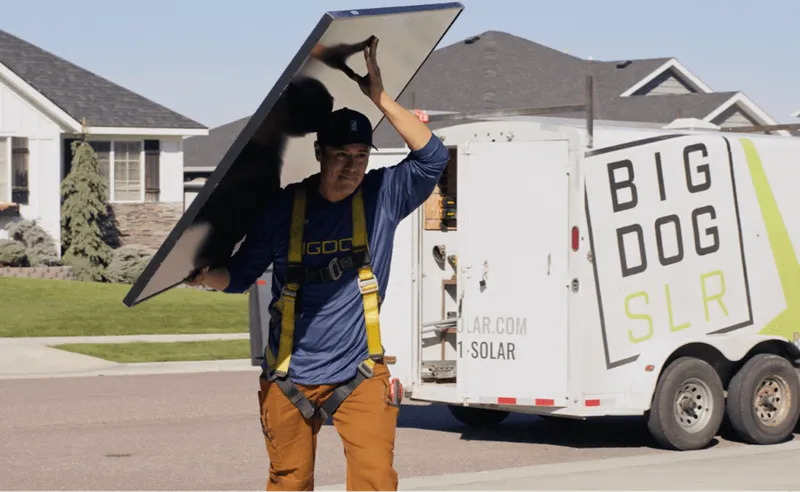



In just 2 minutes, you’ll get a real quote showing exactly how much energy your roof can produce—and what it would cost to go solar. Want to see what it looks like with a battery? Curious about financing? It’s all there, no sales pitch, no pressure. Just real answers, fast.
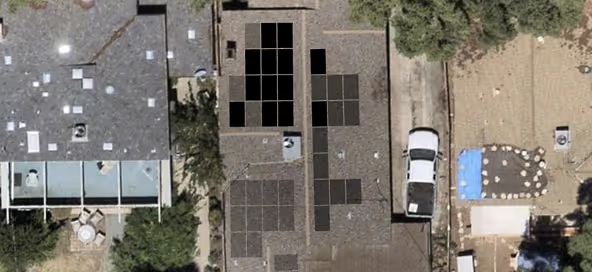
View your actual roof and select how many panels you want.
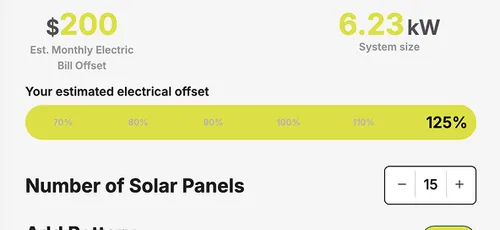
Adjust how much energy you want to produce and how much you’d save on your energy bill.
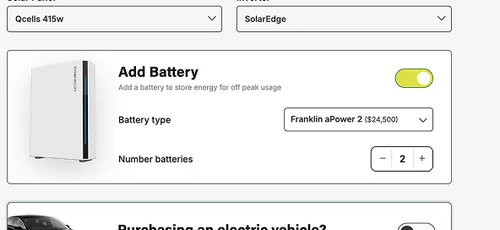
Easily get a quote to add backup batteries or an EV charger.
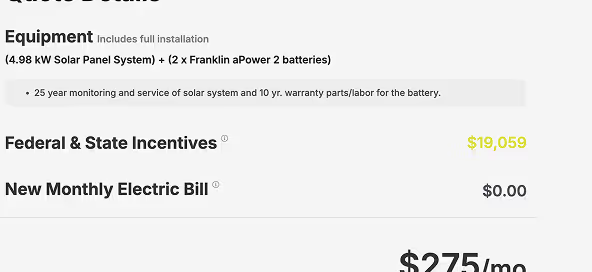
See a full and accurate quote! You can even take a look at financing options in real-time.
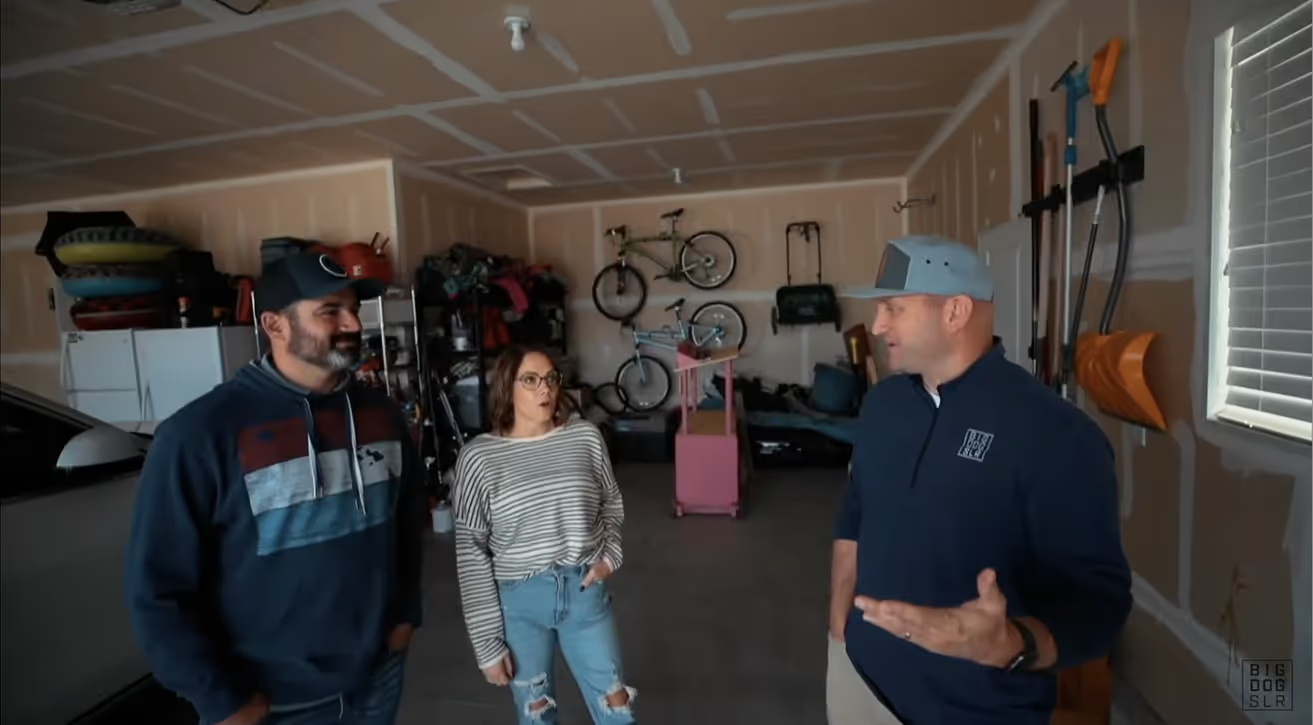

After 16 years and over 16,000 installs, we’ve been able to streamline the process to get you owning your power faster than ever. On average, you’ll be producing your own power within 60 days.
Use our online quote tool to get a REAL quote right now.

Our team will finalize a design that you’ll love!
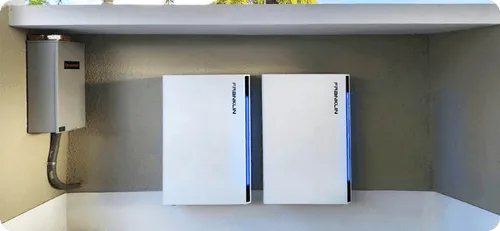
Let our licensing and installation teams handle the rest.


Our 100+ customer-focused employees are here to serve you with personalized care.
Benefit from our 16+ years of solar expertise.
Over 1,500 5-Star reviews
100% in house! We’re a one-stop-shop helping you with your entire solar process.
Join our over 13,000 homeowners we’ve helped go solar.


Or fill out the form and we’ll contact you super fast to answer any questions and get your free quote.
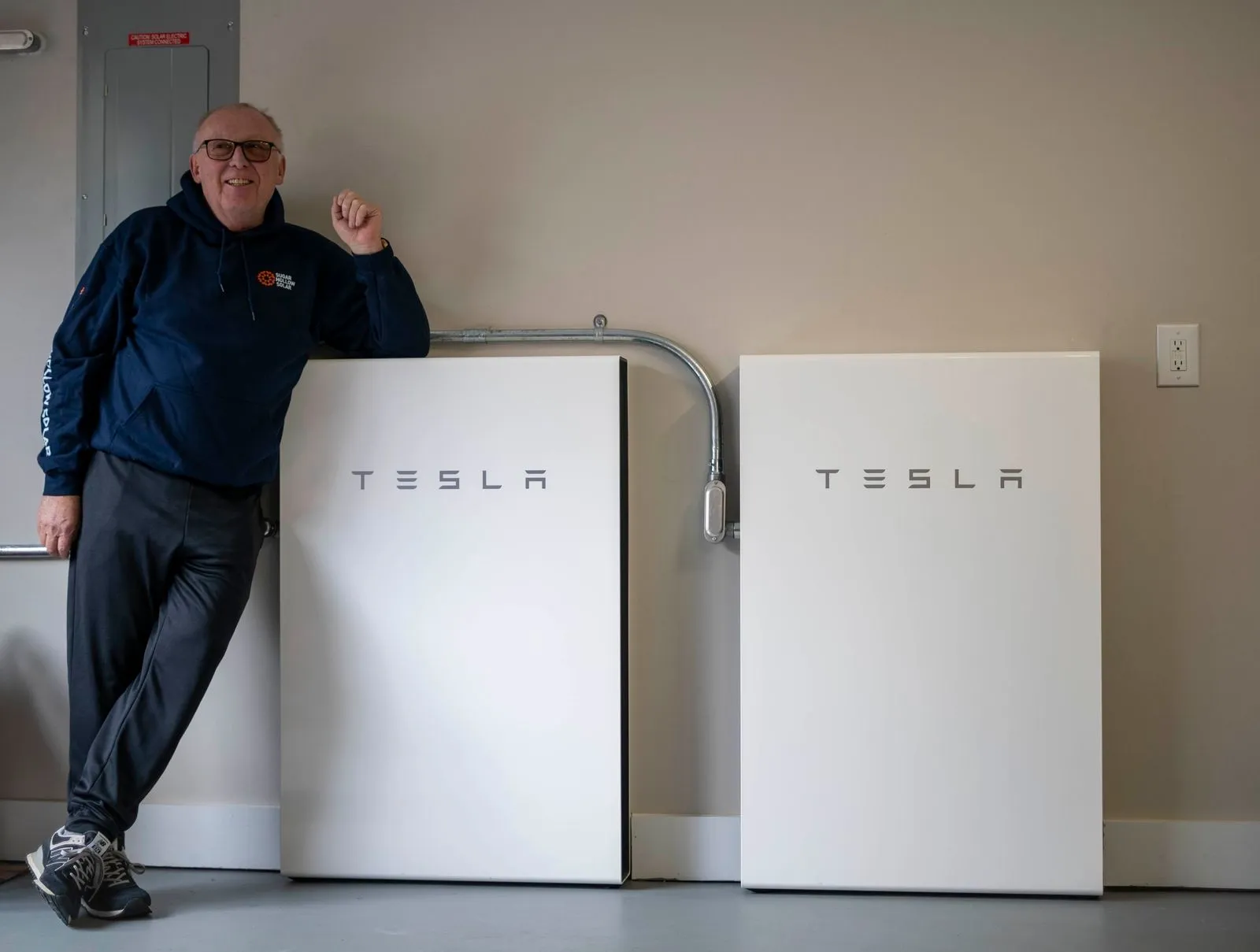
We understand that you might have a lot of questions when it comes to backup batteries. Below are some of the more common questions we get, but feel free to reach out with any additional questions you might have as well as to get a free customized quote.
Yes, adding a backup battery does increase the overall cost, but the 30% Federal Tax credit is also applicable to battery storage which helps offset some of the upfront cost.
Backup batteries also allow you to store energy when it’s cheap to use later in the day when energy is more expensive adding to the savings of going solar.
Yes, you can add batteries after the installation of a grid-tied solar system. Many homeowners choose to install battery backup later to provide protection during power outages or to increase energy independence. Depending on your existing system, a battery can be integrated using either your current inverter or an additional component like an AC-coupled system. It's a flexible upgrade that enhances the value and reliability of your solar investment.
Installing a grid-tied battery backup system yourself is technically possible, but it’s not recommended unless you’re a licensed electrician with experience in solar and battery systems. These setups involve complex electrical work, permitting, and utility coordination to ensure safety and code compliance. For most homeowners, hiring a qualified installer ensures the system works correctly, qualifies for incentives, and protects your home and investment.
A solar-powered battery backup system can reduce your reliance on the grid, but going completely off-grid requires a much larger and more carefully designed system. To be fully off-grid, your solar and battery setup must produce and store enough energy to power your home year-round—even during cloudy days or winter months. This usually means more panels, higher-capacity batteries, and backup generators. While possible, it's a major commitment and often more expensive than staying grid-tied with backup.
Solar-powered battery backup systems require minimal maintenance, especially if they use modern lithium-ion batteries. Routine upkeep typically includes keeping the area around the battery clean and well-ventilated, monitoring system performance through the app or inverter display, and occasionally checking for software updates. Most systems are designed to be low-maintenance, but it's a good idea to have a professional inspect the system every few years to ensure everything is operating safely and efficiently.
Solar-powered battery backup systems typically last 10 to 15 years, depending on the battery type and usage. Most modern lithium-ion batteries come with warranties of 10 years and are designed to retain around 70–80% of their original capacity by the end of that period. Proper installation, moderate climate conditions, and regular monitoring can help extend the system's lifespan and performance.